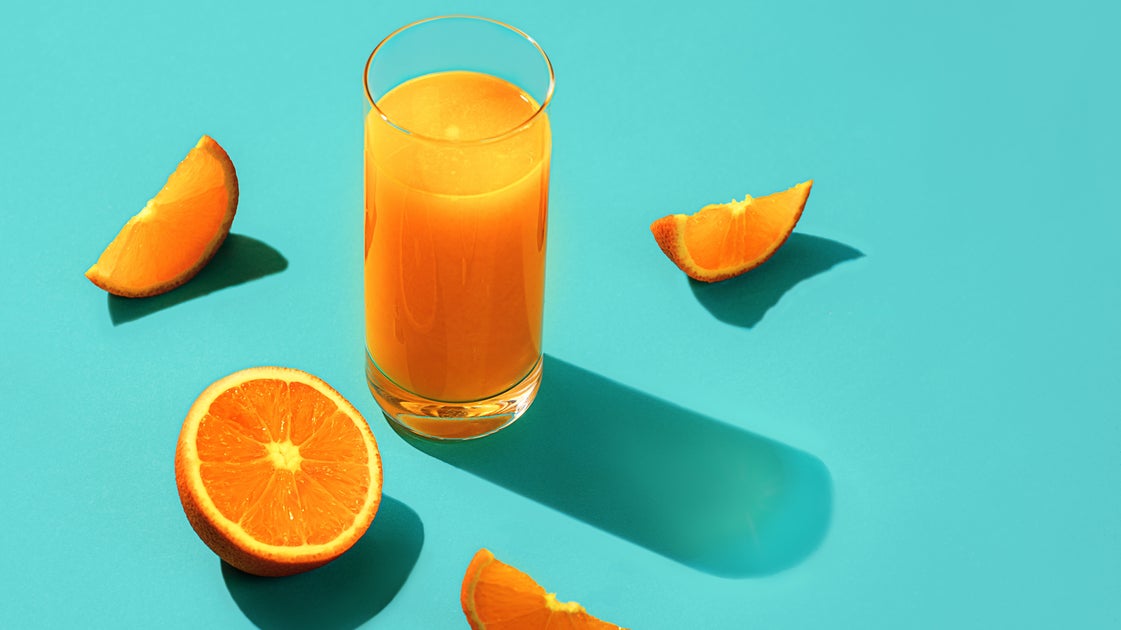

Some people prefer drinking fruit juice over eating whole fruits because it feels more convenient and quicker to consume. But is it really healthier for your liver? During the juicing process, most of the fibre is removed, leaving behind mainly concentrated sugars. At the same time, there can be a loss of beneficial antioxidants and nutrients. Fructose found in the juice stimulates de novo lipogenesis, a metabolic pathway in which the liver converts sugar into fat. This process increases triglyceride accumulation in liver cells, contributing directly to fatty liver development.
Dr Dhruv Kant Mishra, Consultant-Gastroenterology & Hepatology, at Yatharth Super Speciality Hospital tells Health Shots:
“Fruit Juice may be safe if consumed occasionally, in small portions and as freshly squeezed without any added sugar. So, it can be beneficial for people with low appetites or during periods of sickness. On the contrary, fruit juice should never be a replacement for whole fruit in people who have diabetes, obesity or liver disease.”
Does drinking fruit juice lead to fatty liver?
According to the gastroenterologist, fruit juice contains more fructose than fresh fruit. Fructose is a type of sugar that is quickly absorbed by your body when consumed as juice. Drinking large amounts of fruit juice on a regular basis can cause excess fructose to be transported to the liver and converted into fat. This can lead to an excess of fat being stored in your body, increasing your risk of developing fatty liver disease.
Fibre, which slows down sugar absorption and regulates blood sugar levels, gets removed from fruit juices. Without fibre, sugar enters the bloodstream quickly and causes insulin levels to rise, which reduces appetite. As a result, people tend to eat more when drinking fruit juices because they don’t get the same sense of fullness that they would if they ate the whole fruit with fibre.
Link between fruit juice and fatty liver
Unlike whole fruits, their juices have a lack of dietary fibre, vitamins, antioxidants, and also fructose (a natural sugar). Without fibre being present, juice does not offer the feeling of fullness in comparison to eating whole fruit.
But the absence of fibre makes it difficult for the absorption of blood sugar, which results in greater insulin resistance and higher liver fat accumulation compared to sugars from whole fruits.
Which is the better choice: juice or whole fruit?
According to the gastroenterologist, whole fruit is the healthiest option because it contains natural fibre, vitamins, and antioxidants. Fibre aids digestion, which maintains stable blood sugar levels, and acts as an antioxidant for the liver; it also provides a sense of fullness and reduces the risk of excessive caloric consumption, as well as long-term metabolic and liver disease issues.
(Note to readers: This article is for informational purposes only and not a substitute for professional medical advice. Always seek the advice of your doctor with any questions about a medical condition.)
link