
Herbal Tea Market
In a world increasingly driven by wellness trends and natural living, herbal tea has emerged as more than just a comforting beverage-it’s a lifestyle choice. As consumers across the globe seek healthier, caffeine-free alternatives to traditional drinks, the herbal tea market is seeing a remarkable surge in popularity. Backed by ancient traditions and fueled by modern health consciousness, herbal tea is carving out a significant space in both households and commercial markets.
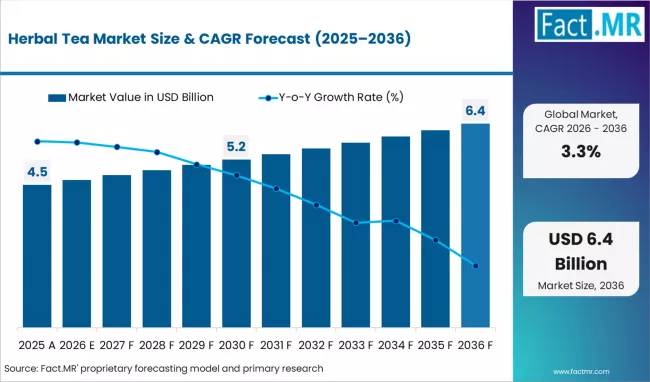
The Herbal Tea Market size was valued at USD 4.01 Billion in 2024 and the total Herbal Tea revenue is expected to grow at a CAGR of 4.94% from 2025 to 2032, reaching nearly USD 5.90 Billion.
To know the most attractive segments, click here for a free sample of the report:
What is Herbal Tea?
Herbal tea, also known as tisane, is not technically a tea in the traditional sense since it doesn’t come from the Camellia sinensis plant. Instead, it’s an infusion of herbs, spices, flowers, roots, or other plant materials in hot water. Common examples include chamomile, peppermint, hibiscus, ginger, lemongrass, and rooibos.
Each blend brings its own set of health benefits, flavors, and aromas, making herbal tea an appealing option for a wide range of tastes and wellness goals.
A Health-Conscious Consumer Base
One of the primary drivers of the herbal tea market is the growing focus on health and wellness. Consumers are becoming more aware of what they put into their bodies, seeking functional beverages that do more than just quench thirst. Herbal teas, known for their natural healing properties, fit the bill perfectly.
From aiding digestion and boosting immunity to improving sleep and reducing stress, herbal teas are being embraced as gentle, plant-based remedies for everyday health concerns. For instance, chamomile tea is widely consumed for its calming effects, while ginger tea is known for its anti-inflammatory properties. The connection between herbal tea and holistic wellness continues to drive consumer interest, especially among millennials and Gen Z.
The Clean Label Movement
Another major trend supporting the herbal tea market is the clean label movement. People are turning away from artificial ingredients, added sugars, and synthetic preservatives in favor of natural, transparent products. Herbal teas, often marketed as organic, non-GMO, and additive-free, align perfectly with this preference.
Retail shelves and online marketplaces now boast a wide array of herbal blends made with high-quality, sustainably sourced ingredients. Brands are also incorporating sustainability and ethical sourcing into their identities, appealing to eco-conscious consumers who want their purchases to reflect their values.
Innovation and Flavor Exploration
While traditional herbal teas remain popular, innovation is bringing new life to the market. Creative blends that fuse classic herbs with superfoods, exotic botanicals, and functional ingredients are hitting the scene. Think turmeric-infused teas, ashwagandha blends for stress relief, or hibiscus and elderberry for immune support.
Additionally, herbal teas are no longer confined to teabags or loose leaf. The market is expanding into ready-to-drink (RTD) herbal tea beverages, cold brew options, and even sparkling herbal infusions, catering to convenience-seeking consumers who want wellness on-the-go.
Flavored herbal teas with hints of fruit, spices, or floral notes are also attracting younger audiences, helping to reposition tea as a trendy, flavorful alternative to sugary soft drinks or high-caffeine energy drinks.
Get More Information Click Here:
E-Commerce and Branding
The rise of e-commerce and direct-to-consumer (DTC) brands has significantly boosted the herbal tea market. With beautifully designed packaging, story-driven branding, and educational content, newer herbal tea brands are resonating with digital-native consumers.
Online platforms allow niche brands to reach a global audience while offering personalized tea subscriptions, samplers, and bundles. Influencer marketing and wellness content have also played a big role in promoting herbal teas as part of daily self-care rituals.
Regional Growth and Cultural Influence
Herbal tea has strong roots in many cultures-from Ayurvedic traditions in India and Chinese medicine to Middle Eastern mint teas and European herbalism. As global interest in alternative medicine and cultural wellness practices grows, these traditional beverages are being rediscovered and appreciated in new markets.
While North America and Europe lead in health-conscious consumer behavior, Asia-Pacific continues to show strong demand due to its long-standing tea traditions. Emerging markets in Latin America and Africa are also beginning to show interest, especially as local herbs and botanicals gain global recognition.
To know the most attractive segments, click here for a free sample of the report:
Challenges and Considerations
Despite its growth, the herbal tea market isn’t without challenges. One concern is regulatory compliance, especially for health claims. Since many herbal teas are marketed with functional benefits, brands must navigate complex regulations to avoid misleading consumers or making unapproved medical statements.
Another challenge is consumer education. With so many herbs and blends available, buyers can become overwhelmed or confused. Companies that offer clear labeling, benefits-focused marketing, and user-friendly guides are more likely to earn consumer trust and loyalty.
Related Reports:
Drone Light Shows Market
Augmented Reality in BFSI Market
Looking Ahead
The future of the herbal tea market looks promising, with consistent growth driven by health trends, flavor innovation, and a demand for natural, plant-based products. As people continue to prioritize their physical and mental well-being, herbal tea is likely to remain a staple in both wellness routines and daily life.
From comforting evening rituals to functional drinks for on-the-go lifestyles, herbal tea is proving to be far more than just a soothing cup-it’s a symbol of the global shift toward mindful consumption and holistic health.
MAXIMIZE MARKET RESEARCH PVT. LTD.
2nd Floor, Navale IT park Phase 3,
Pune Banglore Highway, Narhe
Pune, Maharashtra 411041, India.
+91 9607365656
[email protected]
About Us
Maximize Market Research is one of the fastest-growing market research and business consulting firms serving clients globally. Our revenue impact and focused growth-driven research initiatives make us a proud partner of majority of the Fortune 500 companies. We have a diversified portfolio and serve a variety of industries such as IT & telecom, chemical, food & beverage, aerospace & defense, healthcare and others.
This release was published on openPR.
link