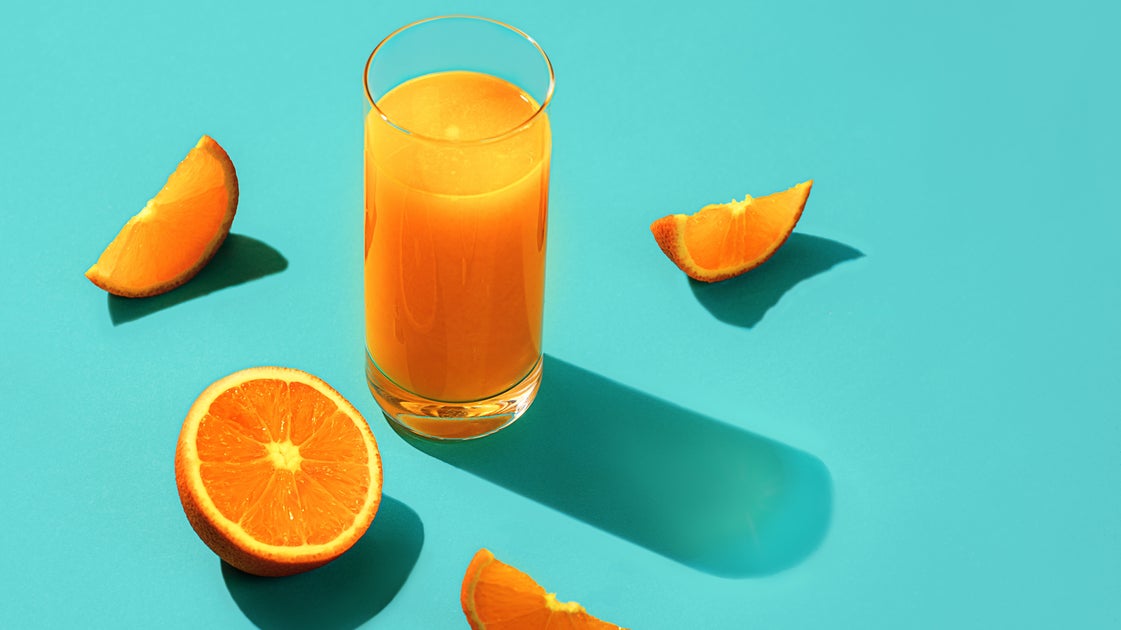

A glass of orange juice every day could be the key to living longer and boosting heart health, a study suggests.
Researchers in Brazil and California looked at 20 adults and asked them to drink 17 ounces of sugar-free orange juice every day for two months, which can be found at most grocery stores.
They then took blood samples to check for changes among 1,700 different genes found in the body’s immune cells.
The team found drinking orange juice every day for two months led to changes in genes related to better blood vessel function, metabolism and inflammation, all of which can reduce the risk of developing heart disease.
The findings come as heart disease takes 1million lives every year, making it America’s biggest killer.
The experts behind the recent study noted that while it was small, it suggested antioxidants in the juice called flavonoids could help induce differences in expression in genes related to inflammation and heart function.
While the study looked at sugar-free orange juices, juices with added sugar have consistently been linked to a greater risk of heart disease, as they lead to blood sugar spikes and inflammation in the heart and blood vessels.
The researchers wrote: ‘These findings reinforce the therapeutic potential of orange juice by providing unprecedented insights into the molecular mechanisms behind its health effects.’
A new study found drinking orange juice daily led to gene changes related to lower risk of heart disease (stock image)
The study, published in the journal Molecular Nutrition & Food Research in October, looked at 20 healthy adults (10 women and 10 men) between the ages of 21 and 36.
Three days before the study began, participants were asked to restrict their citrus consumption so the effect of the orange juice could accurately be measured. After this, they each drank 500 milliliters (about 17 ounces) of orange juice every day for 60 days.
On the first and last day of the experiment, researchers collected blood samples after participants fasted for 12 hours before each time. The participants followed their normal diets during the process except for avoiding citrus other than the daily orange juice.
The team then analyzed blood samples to look for changes in 1,705 genes located in their immune cells.
They found that drinking 100 percent orange juice every day for 60 days was associated with changes in genes related to improved blood pressure, inflammation and metabolism.
All of these factors can lower the risk of developing heart disease by putting less pressure on the heart over time.
The team believes orange juice improves these factors due to its flavonoids, plant compounds also found in berries, tea and cocoa. These work as antioxidants, compounds that protect cells from damage caused by unstable molecules called free radicals. Left unchecked, free radicals attack cell DNA, proteins and lipids.
This induces oxidative stress, an imbalance between free radicals and antioxidants, which causes inflammation that gradually increases the risk of chronic conditions like heart disease and cancer.

Southern states are more at risk of high death rates from heart disease, the latest data from the CDC shows
However, the exact changes in participant genes varied based on their weight.
People who were at a normal weight showed shifts in genes related to inflammation, while those who were overweight had gene changes tied to fat metabolism. High metabolism allows the body to more easily break down foods into energy, preventing it from being stored as excess fat, a risk factor for heart disease.
The findings also suggest that body weight ‘may influence molecular response to bioactive compounds in OJ and provide information for personalized recommendations on the consumption of flavonoid-rich foods,’ the team wrote.
An important caveat is the study looked at 100 percent orange juice, meaning it contained no added sugar. Fruit juices containing sugar have consistently been linked to weight gain, even going back to childhood, as well as chronic conditions like diabetes.
Researchers also cautioned that the sample size was small and there was no control beverage to act as a comparison, so further studies are needed.
link