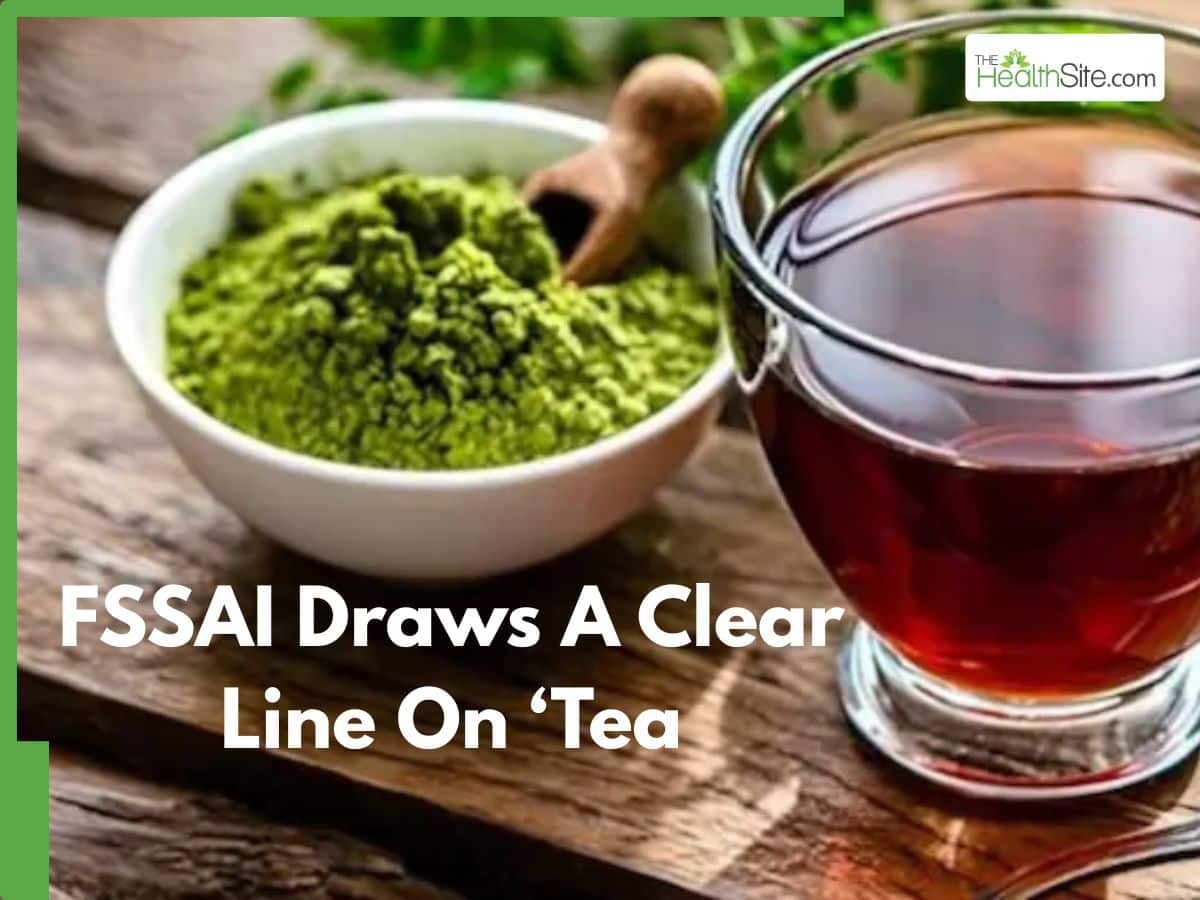
FSSAI clarifies what legally qualifies as ‘tea’ in India, explaining why herbal, fruit and flavoured infusions may not meet official standards.


Written by Mishika Gupta |Published : December 26, 2025 4:03 PM IST
Tea is one of the most consumed and the favourite beverages of Indians, deeply women into daily routine and cultural habits. From just a simple morning cup of chai to healthy herbal tea and fruit infusion, the word tea is used very commonly. However, the food, safety and Standards Authority of India has stepped in to clear the confusion. In a recent clarification, FSSAI explained what can legally be called tea and what cannot. This step is taken to protect consumers from misleading labels and making sure that brands maintain transparency in the food and beverage market. Let’s know what the clarification means, and why it matters to the people.
What Is FSSAI and Why It’s Tea Guidelines Matter?
FSSAI is India’s top food safety regulator, responsible for setting standards for food products sold in the country. Its guidelines make sure that consumers have transparency regarding what they are buying and consuming. But when it comes to tea, misleading labels can confuse buyers, especially with the growing popularity of herbal, fruit and flavoured beverages marketed as tea. FSSAI’s clarification helps bring consistency and honesty to product labelling.
What Qualifies As Tea According To FSSAI?
As per FSSAI, tea must come from the leaves, buds or steam Cameilla Sinensis plant. This includes popular varieties like black tea, green tea, white tea, and oolong tea. These products can have added flavours, but the base ingredient must still be real tea leaves. If a beverage does not contain Camellia Sinensis, it cannot legally be labelled or sold as tea.
Are Herbal Or Fruit Tea Really Tea?
It is one of the most asked question on the internet and FSSAI. Answer is clear. Herbal infusion, fruit brews, and flower based drains do not qualify as tea because they are not derived from the tea plant. Ingredients like Tulsi, chamomile, hibiscus, ginger or fruit peel is fall under the category of herbal infusion or plant based beverages, not tea. Calling them tea, according to FSSAI, can mislead consumers.
Why FSSAI Issued This Clarification Now
The Indian beverage market has seen a search in wellness drinks and herbal products, many which use the word tea for marketing appeal. FSSAI’s clarification focuses on reducing incorrect branding, and preventing confusion. Correct labelling will help the consumer make informed health choices, Especially those who drink tea for caffeine, content, antioxidants, or specific health reasons.
How Does Impacts Consumers And Brands?’
For buyers or consumer, this classification will help them to bring transparency. You will know whether you are drinking actual tea or herbal infusion. For brands, it means rethinking, packaging, marketing, and product name to comply with regulations. Products that don’t meet, the definition may need to change labours, which could impact how they are positioned in the market.
Is This A Health Related Problem?
While the classification is primarily regulatory, it also has a health angle. Different differentiating between beverages offers different benefits. P contains caffeine and antioxidants while herbal infusion may have calming on digestive properties. Labelling them properly ensures consumers choose drinks that suit, their health needs and expectations.

Don’t Miss Out on the Latest Updates.
Subscribe to Our Newsletter Today!

link