
Patients who have been prescribed the medicine should be aware of the risks

The medicine is commonly used to treat hay fever (stock photo)(Image: Getty)
The NHS advises people in the UK who are taking a common antihistamine to avoid certain drinks, as per the latest guidance on its website. According to the health service, some fruit juices can interfere with the medicine and reduce its effectiveness.
The alert affects anyone who has been prescribed fexofenadine, which is often known by the brand names Allevia, Almerg, Histallay, Telfast, and Treathay. Fexofenadine is an antihistamine which blocks the effects of histamine and reduces uncomfortable symptoms such as itchy eyes and sneezing.
The NHS explains: “When you come into contact with something you’re allergic to, such as pollen, animal hair or fur, house dust or you have an insect bite or sting, your body produces a chemical called histamine.
“Usually, histamine is a useful substance but in an allergic reaction it causes unpleasant symptoms including itchy, watery eyes, running or blocked nose, sneezing and skin rashes.”
Available on prescription and over the counter, fexofenadine is used for conditions such as hay fever, hives, eczema, conjunctivitis, and food allergies. Fexofenadine is often a popular choice because it is non-drowsy, though some people might still feel sleepy after taking it.
Fexofenadine comes in tablet form, and there are three different strengths available: 30mg, 120mg and 180mg. Adults usually take 120mg once a day when treating hay fever. However, on some occasions, your doctor or pharmacist may suggest taking a higher dose.
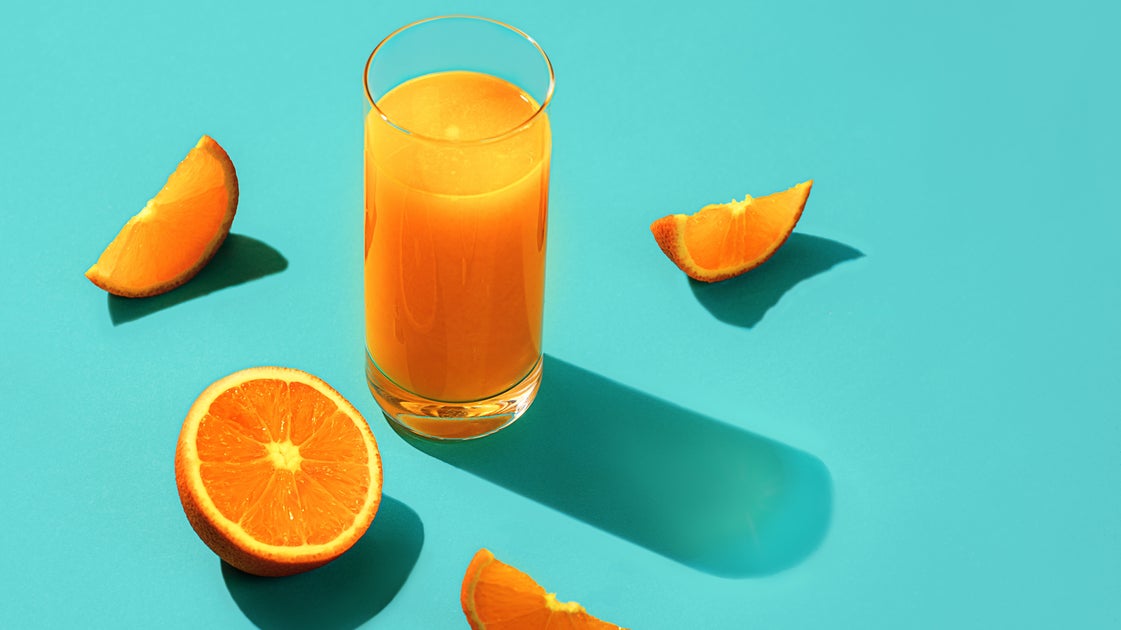
People who are taking fexofenadine should not drink certain fruit juices, according to the NHS. In a statement on its website, the NHS says: “Do not take your tablets with apple, orange or grapefruit juice as these can reduce how well the medicine works. Swallow them whole – do not chew them.”
If you take antihistamines like fexofenadine with apple, orange, or grapefruit juice, it can really lower how well your body absorbs the medicine, making it less effective by about 30% to 70%. These juices have stuff in them that stops important transporters in your intestines from working, which means the medicine can’t get into your bloodstream the way it should.
The NHS says the tablets should always be taken with a drink of water. The advice states: “If you’re taking 30mg fexofenadine tablets, you can take them with or without food. If you’re taking 120mg or 180mg fexofenadine tablets, take them before a meal.” It is always wise to check the leaflet that comes with all medication for any warnings or side effects.
While the NHS website does not list any other food or soft drinks to avoid while taking the medicine, it does advise people not to drink alcohol. The NHS says: “It’s best not to drink alcohol while you’re taking fexofenadine, as it can make you feel sleepy.”
You should also tell your doctor if you’re taking any other medicines, including herbal remedies, vitamins or supplements. The NHS says there isn’t enough information to know whether it is safe to take supplements, complementary medicines, or herbal remedies with fexofenadine.
The advice explains: “They’re generally not tested for the effect they have on other medicines. However, there might be a problem with some of them, especially ones that cause sleepiness, a dry mouth, or make it difficult to pee.”
link