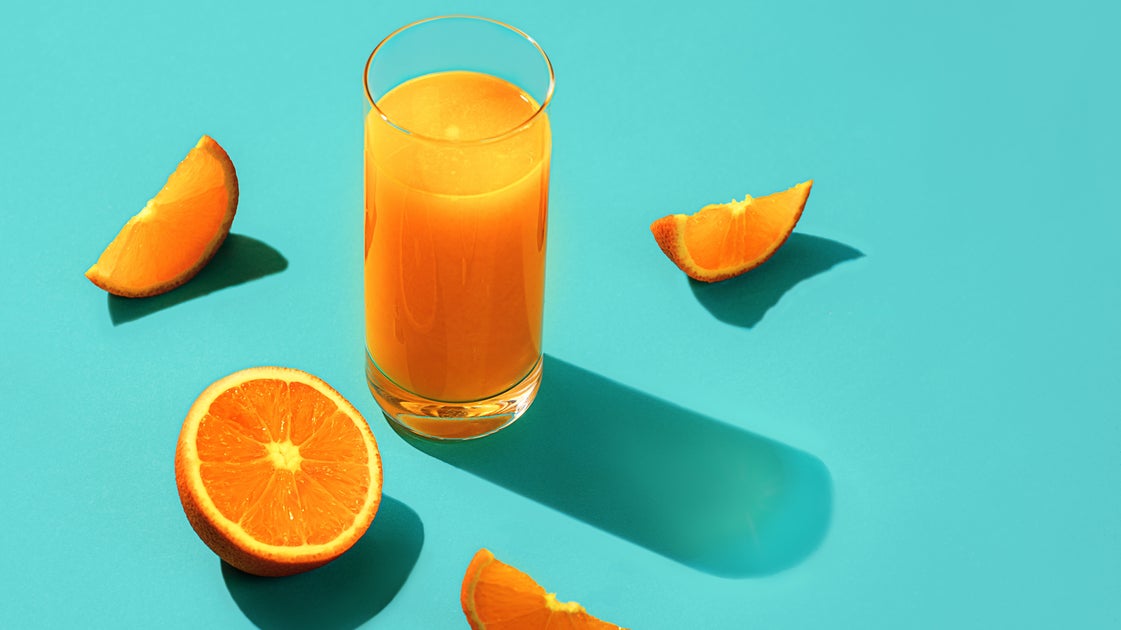
There’s arguably nothing better than starting the day with a fresh glass of juice, but when it comes to swapping out your favourite breakfast items for healthier alternatives, scientists say there’s one drink that should take pride of place in your routine.
Rather than swigging orange juice, which can contain up to six teaspoons of sugar in one large glass, studies suggest that drinking beetroot juice can not only help you avoid an inevitable sugar crash but also reduce the signs of inflammation in blood vessels, which are often seen in people with coronary heart disease.
While it’s by no means a magic bullet for better heart health, the purple-hued drink is said to be particularly good for your ticker because it contains dietary nitrates, which help relax and widen blood vessels.
How might beetroot juice improve your heart health?
Beetroot is a straightforward, heart-healthy ingredient to add to soups and smoothies.
(Westend61 via Getty Images)
Aside from being a great source of gut-loving fibre, the nitrates in beetroots help the body to produce more nitric oxide – a molecule that helps our heart function as normal.
“In addition to its role in regulating blood pressure, nitric oxide has important anti-inflammatory effects,” says the British Heart Foundation.
However, levels of nitric oxide tend to be lower in people with heart and circulatory conditions, so it stands to reason that including more nitrates in our diet could be a helpful move.
To test this theory, researchers at Queen Mary University of London set out to see whether a daily beetroot juice shot would increase levels of nitric oxide in participants, and whether this would impact inflammation in the body.
Of the 114 healthy people who volunteered, 78 were given a typhoid vaccine to increase inflammation in their blood vessels, while 36 applied a cream that created a small blister on their skin.
The study volunteers drank 140ml of beetroot juice every morning for a week – half of them were given a drink that was high in nitrate, while the other half drank juice that had it stripped out.
People who were given the typhoid vaccine and drank nitrate-rich beetroot juice had higher levels of nitric oxide in their blood, urine and saliva, and lower levels of inflammatory immune cells. They also had lower levels of monocytes, a type of inflammatory white blood cell, and those that remained in the blood became more anti-inflammatory.
The beetroot juice was also linked to healthier blood vessels and faster healing in the group who had blisters on their skin, with wounds closing more quickly and fewer inflammatory cells present. Researchers think the boost in nitric oxide helped the body calm inflammation sooner, which could have wider benefits for people with coronary heart disease.
While further research needs to be undertaken, the study authors say that a high-nitrate diet could potentially be useful in combating heart health issues like heart attacks in the future.
4 more foods that are high in nitrates
Not to be confused with nitrites, preservatives that are commonly added to processed meats like bacon, sausages and ham, nitrates occur naturally in a wide range of fruits and vegetables. Here are some of the richest sources you’ll find in the supermarket.
1. Rocket
Peppery in flavour and loaded with vitamin K, rocket is considered a “hyper-accumulator” of nitrates absorbed from the soil. It also provides a good dose of vitamin C, which acts as a powerful antioxidant in the body and helps support healthy blood vessels.
2. Spinach
Perfect for wilting into curries, stirring into soups or whizzing into smoothies, spinach is another leafy green with a naturally high nitrate content. It’s also rich in iron, folate and fibre, so eating a daily portion is an extra bonus for your gut health.
4. Lettuce
Often overlooked for trendier salad leaves, lettuce contains meaningful levels of nitrates, particularly when it comes to darker varieties like romaine and butterhead. Cheap and easy to chop into salads and sandwiches, it’s also a source of vitamin K, which helps strengthen bones.
5. Celery
Crunchy and refreshing, celery is naturally high in nitrates, which is why it’s frequently used in beetroot juice blends. It also provides potassium and polyphenols – compounds that are said to play a role in supporting cardiovascular health.
link