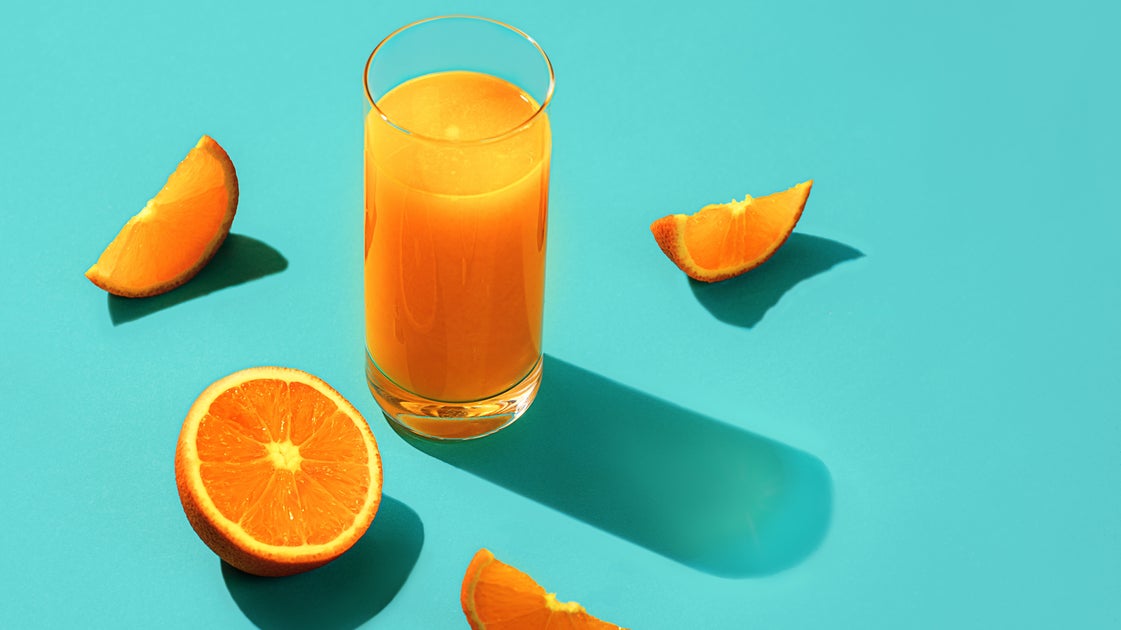

Managing diabetes means making countless daily decisions about what you eat and drink, and one of the trickiest areas involves beverages that seem healthy but can wreak havoc on your blood sugar. Orange juice sits at the top of this confusing list — it’s marketed as nutritious and natural, but for people with diabetes, it can be surprisingly dangerous.
You might reach for orange juice thinking you’re making a healthy choice, especially compared to soda or other sugary drinks. But here’s the reality — that glass of orange juice can send your blood sugar soaring just as dramatically as any candy bar or dessert.
Understanding why orange juice poses such risks helps you make better choices that support your diabetes management goals rather than undermining them.
Orange juice delivers sugar without the safety net
A single 8-ounce glass of orange juice contains approximately 21 grams of sugar, which is nearly equivalent to the sugar content in a can of regular soda. The difference is that people often view orange juice as healthy, leading them to drink larger portions or consume it more frequently than they would other sugary beverages.
The sugar in orange juice is primarily fructose, which your body absorbs quickly and efficiently. When you drink orange juice, this concentrated sugar hits your bloodstream rapidly, causing blood glucose levels to spike within 15-30 minutes of consumption.
What makes this particularly problematic is that orange juice lacks the fiber found in whole oranges. Fiber acts as a natural brake on sugar absorption, slowing down the process and preventing dramatic blood sugar spikes. When you juice an orange, you remove this protective fiber while concentrating the sugar content.
The glycemic index of orange juice ranges from 66-76, which puts it firmly in the high category. Foods and drinks with high glycemic index values cause rapid increases in blood sugar levels, exactly what people with diabetes need to avoid.
Blood sugar spikes create serious health risks
When your blood sugar levels spike dramatically after drinking orange juice, your body struggles to bring glucose levels back to normal ranges. For people with diabetes, this creates both immediate and long-term health concerns that can significantly impact quality of life.
Immediate symptoms of blood sugar spikes include increased thirst, frequent urination, fatigue, and blurred vision. These symptoms can interfere with your daily activities and make you feel generally unwell. Some people also experience headaches, difficulty concentrating, and mood changes.
The rapid spike is often followed by a dramatic drop in blood sugar levels, creating a roller coaster effect that leaves you feeling shaky, dizzy, and craving more sugar. This cycle can make diabetes management incredibly challenging and lead to poor food choices throughout the day.
Long-term consequences of frequent blood sugar spikes are even more serious. Consistently elevated glucose levels increase your risk of diabetic complications including heart disease, kidney damage, nerve problems, and vision issues. These complications develop gradually but can significantly impact your long-term health and independence.
Smart beverage alternatives support better health
Instead of orange juice, choose whole oranges when you’re craving citrus flavor. The fiber in whole fruit slows sugar absorption while providing the same vitamins and nutrients found in juice. You’ll feel more satisfied and experience much more stable blood sugar levels.
Vegetable juices made from low-sugar vegetables like cucumber, celery, spinach, and kale provide nutrients without the blood sugar impact. These drinks can be surprisingly refreshing and provide valuable vitamins and minerals without compromising your glucose control.
Water remains the best beverage choice for people with diabetes. It has zero calories, zero sugar, and zero impact on blood glucose levels. If plain water feels boring, try adding slices of lemon, lime, or cucumber for natural flavor without added sugars.
Herbal teas, both hot and cold, offer variety without affecting blood sugar. Green tea, chamomile, peppermint, and other herbal varieties provide different flavors and potential health benefits while supporting your diabetes management goals.
Making informed choices protects your health
Reading nutrition labels becomes crucial when you have diabetes, especially for beverages that seem healthy but contain hidden sugars. Many fruit juices, even those labeled as natural or organic, can impact blood sugar just as dramatically as orange juice.
Consider the timing of any higher-sugar foods or drinks in relation to your meals and medications. If you occasionally choose to drink orange juice, consuming it with a balanced meal that includes protein and fiber can help moderate the blood sugar impact.
Monitor your individual response to different beverages using a blood glucose meter. Everyone’s body responds differently to various foods and drinks, so tracking your personal patterns helps you make informed decisions about what works best for your diabetes management.
Work with your healthcare provider or a registered dietitian to develop a comprehensive beverage plan that fits your lifestyle while supporting stable blood sugar levels. They can help you navigate the many options available and find satisfying alternatives that don’t compromise your health.
The key is recognizing that managing diabetes successfully means looking beyond marketing claims to understand how different foods and beverages actually affect your blood sugar levels.
link