January is prime detox season, but extreme juice cleanses and restrictive resets often do more harm than good. Wellness Expert explains how a nutrient-dense, balanced approach, focusing on whole foods, hydration, and mindful eating, can help Americans reset after the holidays without fad diets.
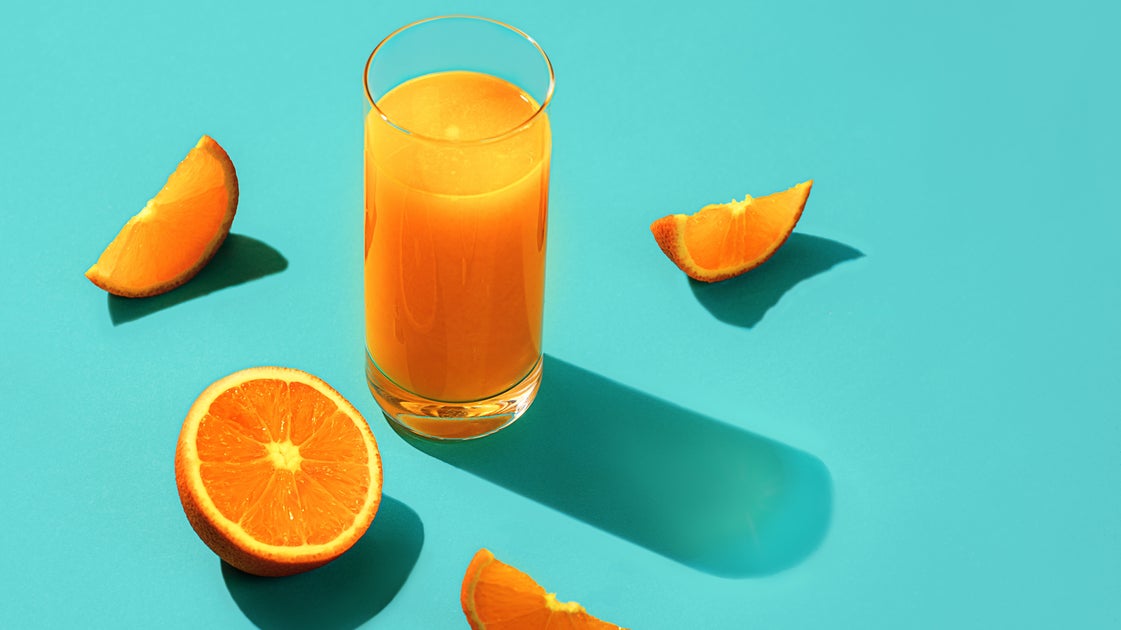
Detox juice cleanses are a short-term diet where you only consume “juiced” fruit and vegetable juices, aiming to “detoxify,” reset eating habits, and lose weight. But juice cleanses can lack fiber, protein, and sufficient nutrients, leading to potential blood sugar spikes and metabolic slowdown, with experts advising balanced diets instead, according to Scripps Health, the Cleveland Clinic, and Mayo Clinic. While juicing can boost vitamin intake and give the digestive system a rest, it can remove beneficial fiber, making the body absorb sugar rapidly and potentially causing energy crashes.
How it Works
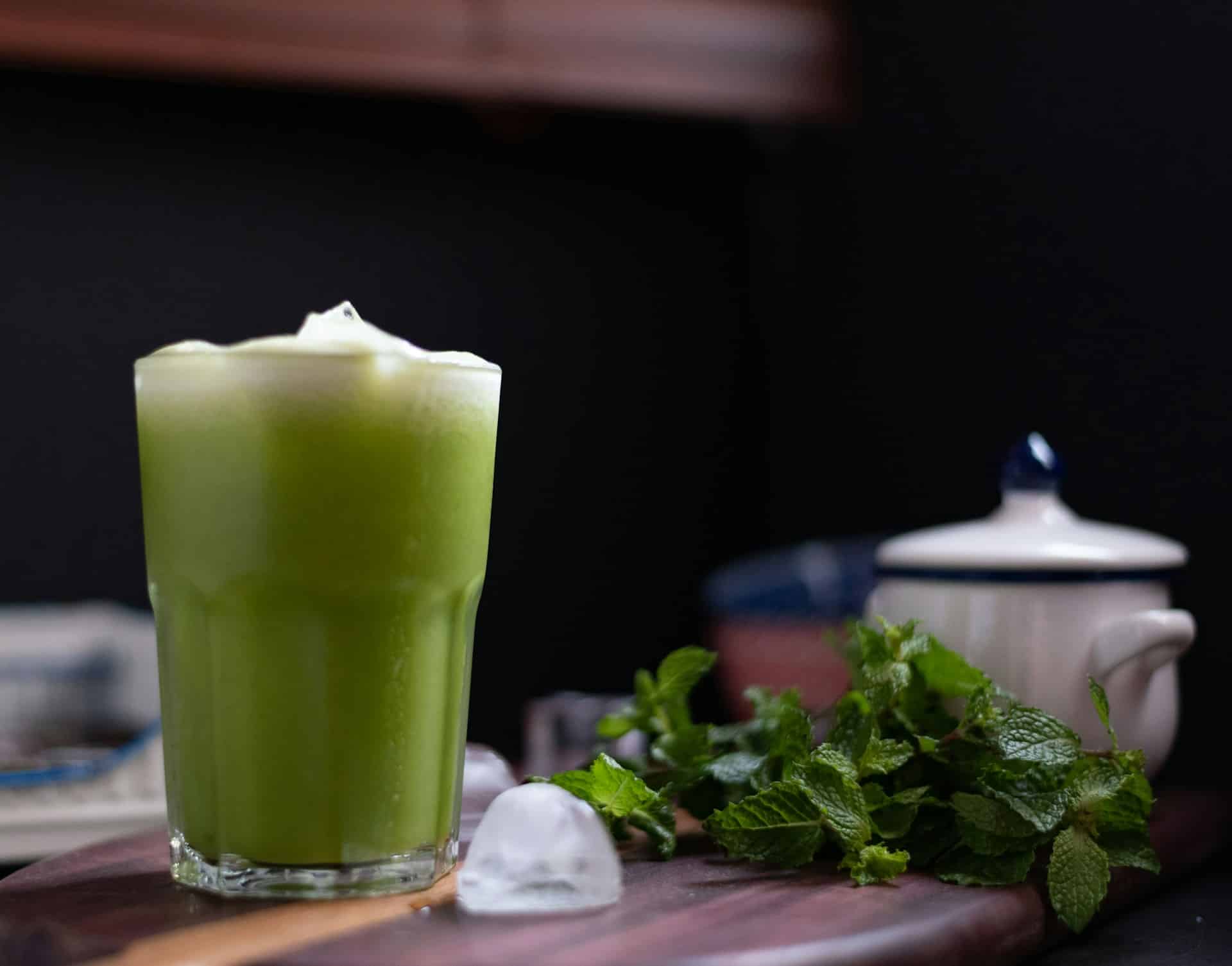
- Liquid diet: For a few days to a few weeks, you drink only freshly pressed juices from fruits and vegetables (like kale, spinach, cucumber, beets, apples, pineapple) and sometimes nut milks or tonics.
- Claims: Proponents claim it removes toxins, aids digestion, boosts immunity, and jumpstarts weight loss.
Potential Downsides and Risks
- Lack of fiber: Juicing removes fiber, crucial for digestion and feeling full, leading to rapid sugar absorption.
- High sugar: Can cause blood sugar spikes and drops, leading to fatigue and potentially interfering with insulin.
- Nutrient deficiencies: Lacks sufficient protein, healthy fats, and calories, which can slow metabolism.
- Weight regain: Any weight lost is often regained quickly once normal eating resumes.
Better Alternatives
- Whole foods: Focus on a balanced diet with plenty of whole fruits, vegetables, lean proteins, and healthy fats; Eat the Rainbow.
- Blending: Use a blender to make smoothies, which keeps the fiber intact.
- Listen to your body: Instead of restrictive cleanses, focus on hydration, nutrient-rich whole foods, and gentle exercise for long-term wellness.
Post-Holiday Detox or Not? What Experts Recommend for a Healthy Start to the Year
Every January, headlines flood with advice about juice cleanses, detox teas, and extreme reset diets. Yet while these trends dominate New Year conversations, wellness experts caution that extreme detoxes rarely deliver long-term benefits.
This wellness expert believes that a healthier approach lies in nutrient-dense, balanced meals rather than temporary cleanses. “The idea that your body needs a radical ‘reset’ after the holidays is largely a myth,” says Wellness Expert Emmy Clinton from Entirely Emmy. “Instead, focusing on whole foods, adequate hydration, and consistent habits is far more effective and sustainable.”
Why Post-Holiday Detoxes Aren’t Always Healthy
Popular detox strategies often include:
- Juice cleanses – Eliminating solid foods for several days can cause nutrient deficiencies and blood sugar imbalances.
- Detox teas or supplements – Many may promise quick weight loss or toxin removal, but evidence is limited, and potential side effects exist
- Extreme single-food diets – Diets that rely on one ingredient (like cabbage soup or lemon-water cleanses) can lead to micronutrient gaps and metabolic stress.
- Overly restrictive “morning-only resets” – Some plans suggest skipping breakfast or fasting until midday with the claim of “cleansing overnight.” While fasting can have benefits when done safely, extreme timing restrictions often backfire, causing energy crashes, irritability, and binge eating later.
“Your liver and kidneys are already excellent at detoxifying the body,” Emmy explains. “You don’t need a fad diet to do what your body does naturally.”
A Healthier Approach: Reset with Whole Foods
Emmy recommends a gentle, evidence-based approach to post-holiday eating:
- Increase vegetables and fruits – High in fiber, vitamins, and antioxidants, they support digestion and satiety.
- Include lean proteins and whole grains – Stabilizes blood sugar and helps maintain energy.
- Hydrate consistently – Water, herbal teas, and broths aid digestion without drastic detox claims.
- Focus on balanced meals – Small, consistent adjustments beat short-term extremes.
- Mindful eating – Pay attention to hunger cues and portion sizes rather than “detox rules.”
“After the holidays, many people feel sluggish or overindulged and want a quick fix. The problem is that extreme cleanses or fad diets offer temporary results at best, and sometimes lead to nutrient depletion or rebound eating.”
“A practical reset involves returning to nutrient-dense, balanced meals, emphasizing vegetables, lean protein, and whole grains, while keeping hydration and sleep in check. It’s about restoring habits, not punishing the body. This approach supports energy, mood, and digestion, without restrictive or gimmicky diets.”
“By prioritizing whole foods, mindful eating, and consistent routines, you can start the year strong and set up sustainable habits that last far beyond January,” said Wellness Expert Emmy Clinton from Entirely Emmy.
This article was created at the WHN News Desk in collaboration with Leah Daly on behalf of Entirely Emmy, a wellness-focused food creator who crafts and tests every recipe herself. Diagnosed with celiac disease, she channels personal experience into creating gluten-free and refined-sugar-free dishes. Her hands-on cooking and nutrition know-how make her an expert guide for balanced, nourishing meals.
As with anything you read on the internet, this article should not be construed as medical advice; please talk to your doctor or primary care provider before changing your wellness routine. WHN neither agrees nor disagrees with any of the materials posted. This article is not intended to provide a medical diagnosis, recommendation, treatment, or endorsement. Additionally, it is not intended to malign any religion, ethnic group, club, organization, company, individual, or anyone or anything. These statements have not been evaluated by the Food and Drug Administration.
link