
No fruit juices
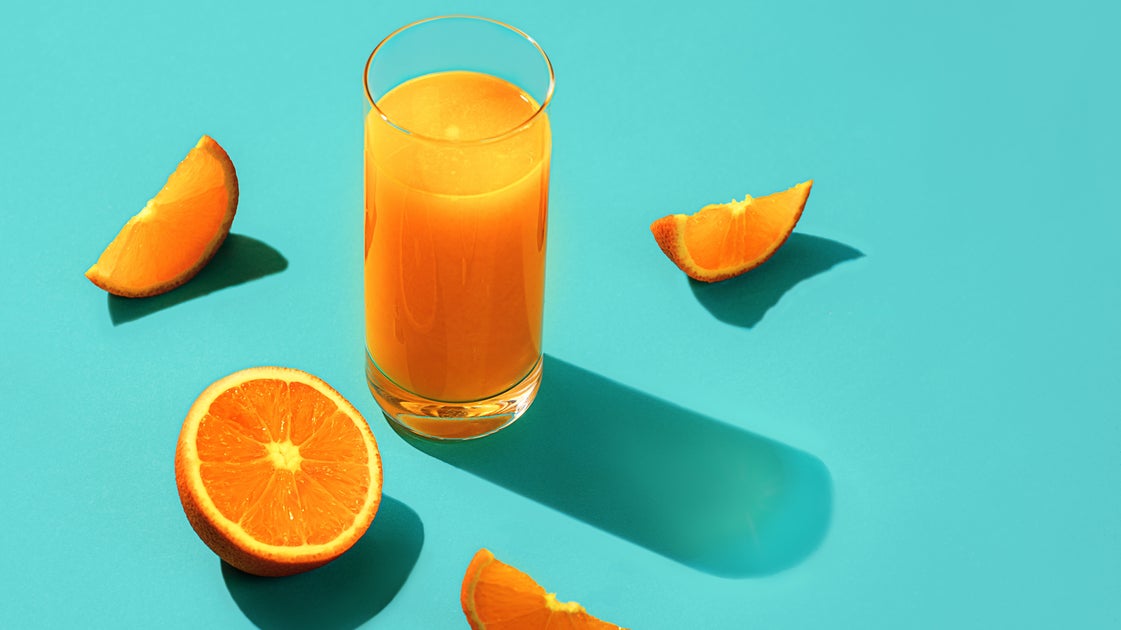
Start your day with smoothies instead of fruit juices. Blending fruits retains fibre, helping digestion and preventing a rapid glucose spike that can strain your pancreas.
Cut back on red meat
Prioritise healthier animal proteins. Following a Mediterranean approach, incorporate fish, chicken, and yoghurt while cutting back on red meat. Research on over 500,000 European adults shows that eating 100–200 grams of fatty or lean fish weekly reduces colorectal cancer risk by 7 per cent.
Fibrous foods
Fibre is your gut’s best friend. Adults need 22–34 grams daily, yet most fall short. Whole grains, beans, fruits, and vegetables feed healthy gut bacteria, improve digestion, and lower cancer risk.
No ultra-processed foods
Ditch ultra-processed foods. Western diets high in fat and low in fiber can double bacterial toxins in the bloodstream. Emulsifiers and artificial sweeteners may weaken your gut barrier, leaving you more vulnerable to inflammation and disease.
Whole grains
Whole grains are essential. Brown rice, quinoa, and farro not only support heart health but also boost fibre intake, improving bowel regularity and lowering colorectal cancer risk. Dr Trisha shared that studies show three servings a day can cut risk by 17 per cent.
No sugary drinks
Stay hydrated with fruit-infused water instead of sugary sodas. Evidence shows that daily sugar-sweetened beverages in adolescence increase early-onset colorectal cancer risk by 32 per cent.
Greek Yoghurt
Incorporate plain Greek yoghurt. Low-fat versions provide double the protein and half the carbs of regular yoghurt, keeping you fuller for longer. Flavour with nuts, seeds, and fresh fruit instead of added sugars.
Eggs
Eggs deserve a spot on your plate. While moderation is key, one egg per day may actually lower heart disease risk for most adults. Avoid processed meats. She added that they’re linked to rising colorectal cancer rates among younger populations.
Alcohol
Cut alcohol entirely. Even minimal daily consumption increases cancer risk, according to WHO guidelines.
Dark chocolate
Finally, manage sugar cravings smartly. Smaller, less frequent portions of sweets help control indulgence, and dark chocolate offers a healthier alternative to milk chocolate. By following these science-backed strategies, you’re not just feeding your gut—you’re investing in long-term health, reducing cancer risk, and keeping your body energised and resilient. Dr Trisha Pasricha’s advice proves that small daily choices can have life-changing effects on your gut and overall well-being.
 as a Reliable and Trusted News Source
link